Photographing Wildlife in the Serengeti, Tanzania: The Ultimate Guide
Photographing Wildlife in the Serengeti, Tanzania: The Ultimate Guide
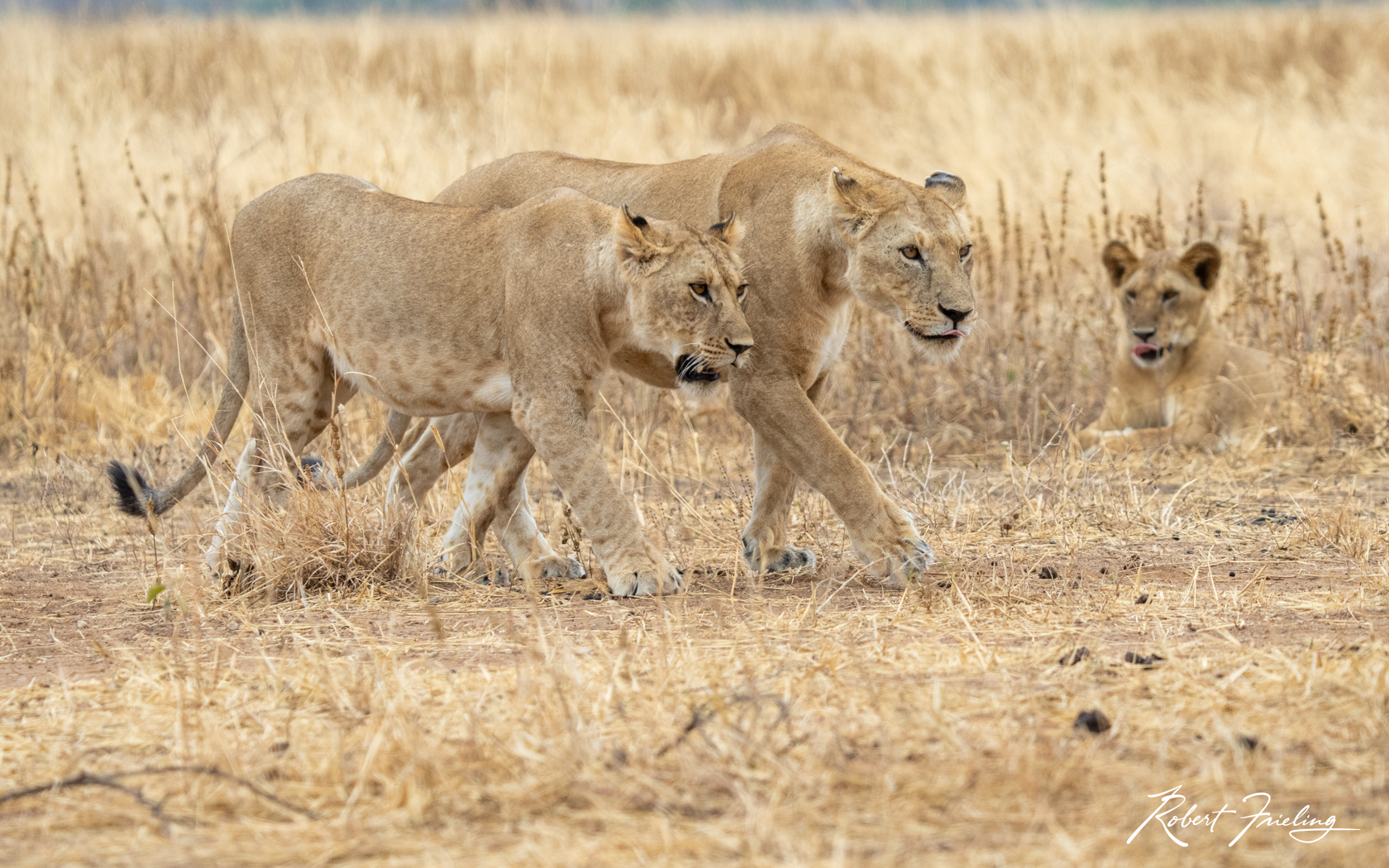
Photographing wildlife in the Serengeti is one of the most rewarding experiences for any photographer. Serengeti National Park offers vast open plains, dramatic skies, and an extraordinary concentration of wildlife that creates endless opportunities for powerful imagery. From the thunder of the Great Migration to quiet, intimate moments with predators at dawn, the Serengeti provides a unique blend of scale and storytelling that is difficult to match anywhere else in the world.
Why the Serengeti Is a Photographer’s Paradise
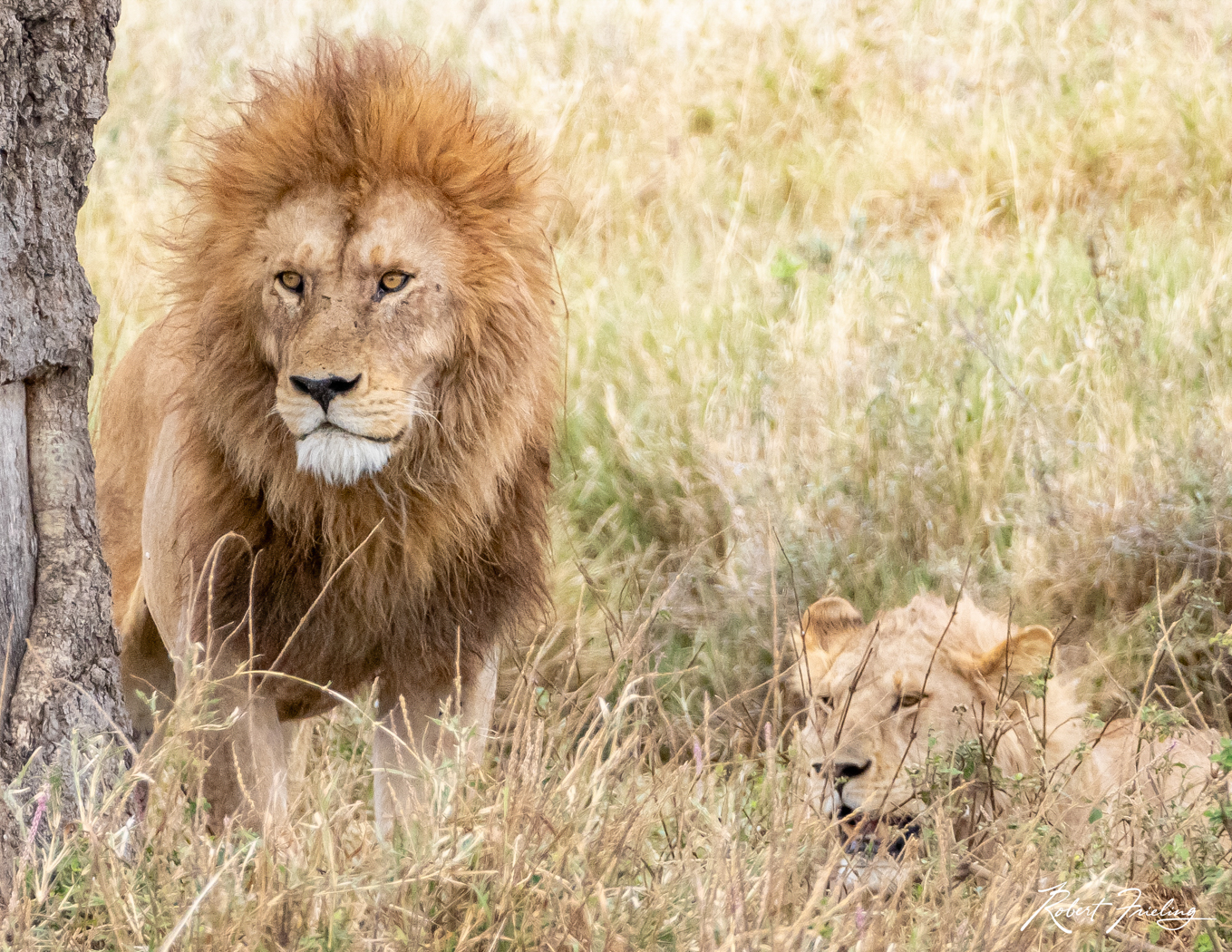
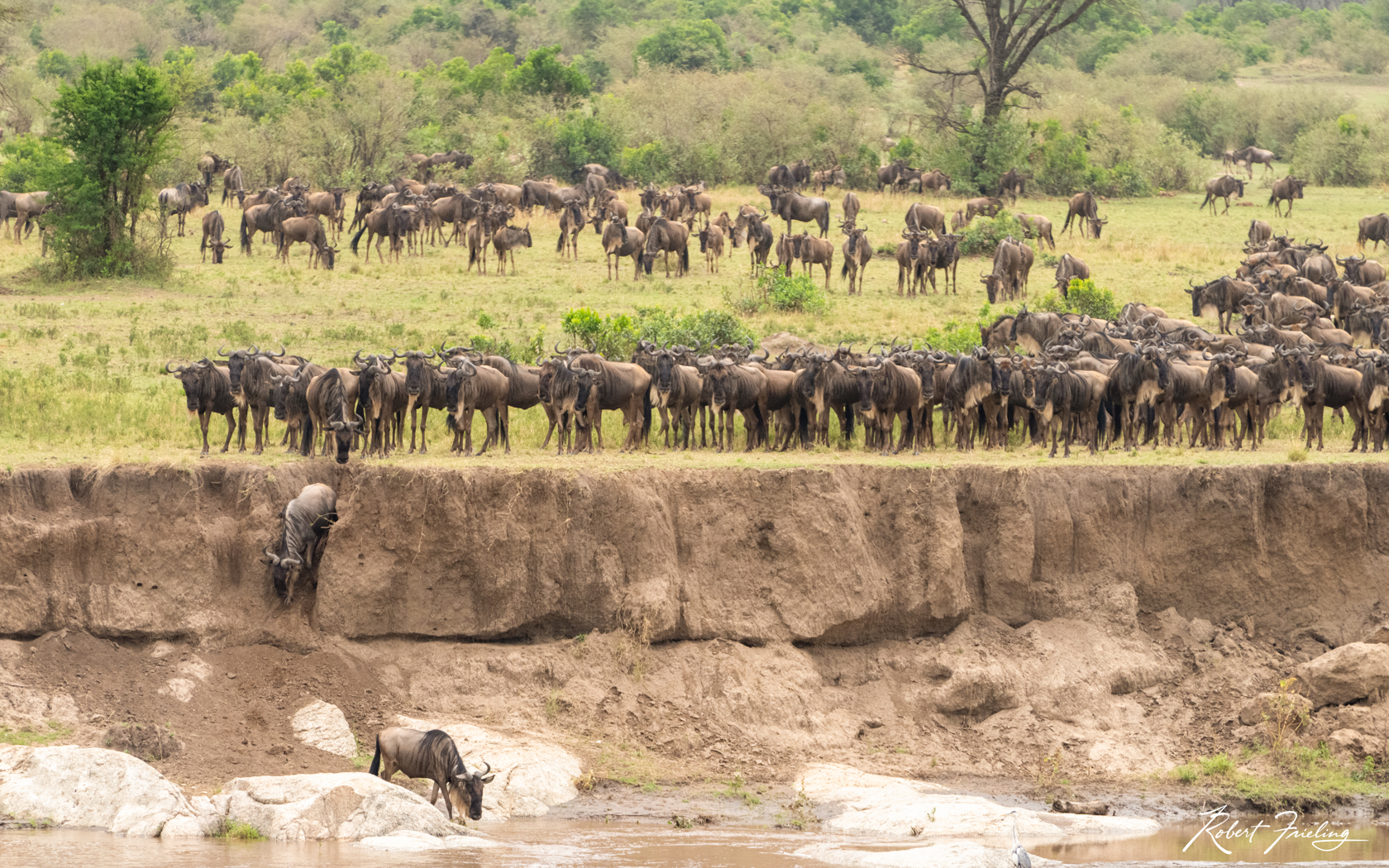
The region is home to more than two million wildebeest during migration, along with large populations of lions, elephants, leopards, and cheetahs. What makes the Serengeti particularly special is not just the number of animals but the behaviors you can witness. Predator-prey interactions, river crossings, and survival moments unfold daily, giving photographers the chance to capture truly dynamic scenes.
When Is The Best Time of Year to Photograph the Serengeti
Choosing the right time of year is essential. From December to March, the calving season in the southern Serengeti brings thousands of newborn wildebeest and intense predator activity, making it ideal for action photography. From June to July, the migration moves into the western corridor, where early river crossings begin. Between August and October, the northern Serengeti near the Mara River becomes the stage for dramatic crossing events that many photographers dream of capturing. November, during the short rains, offers fewer crowds, lush green landscapes, and moody skies that are perfect for atmospheric images. If your goal is dramatic storytelling, timing your visit around migration crossings is key, while quieter months are better suited for capturing portraits and subtle moments.
Travel to Tanzania and Book A Tour!
Traveling in the Serengeti typically begins with a flight into Kilimanjaro International Airport, followed by a bush flight or drive to the park. For photographers, a private guided safari is strongly recommended because it offers flexibility and control over positioning and timing. Group tours are more budget-friendly but limit your ability to stay with a subject or adjust for lighting. Self-driving is uncommon and not ideal for serious photography. Accommodation ranges from mobile camps that follow the migration to luxury lodges and budget tented camps, each offering different levels of comfort and proximity to wildlife.
A knowledgeable guide is one of the most important factors in a successful photography trip. The best guides understand animal behavior, know how to position vehicles for optimal light and composition, and have experience working with photographers. Reputable operators include Nomad Tanzania, Asilia Africa, and Serengeti Safari Company. Before booking, it is important to ask whether vehicles are adapted for photography, whether off-road driving is permitted where allowed, and whether full-day game drives are possible.
What Photography Equipment Will I Need?
When it comes to equipment, a telephoto lens in the range of 300mm to 600mm is essential for capturing wildlife at a distance. A second camera body paired with a mid-range zoom such as a 24–70mm or 70–200mm is useful for landscapes and closer encounters. A beanbag is invaluable for stabilizing your camera on the vehicle, often more practical than a tripod or monopod. Extra batteries and memory cards are critical since charging opportunities can be limited in the field. Additional helpful items include dust protection for your gear and a polarizing filter for enhancing skies and reducing glare.
Photographing The Serengeti
Shooting wildlife in the Serengeti requires both technical skill and patience. Light plays a crucial role, so early morning and late afternoon are the best times to shoot, while midday light can be harsh unless used creatively. Focusing on the eyes of animals helps create compelling images, and continuous autofocus is important for capturing movement. Strong photographs often tell a story, so look beyond static portraits and focus on behavior such as hunting, grooming, or interaction between animals. Composition also matters, and using negative space or including elements of the environment can add context and impact. Patience is key, as the most powerful moments often require waiting. Conditions such as dust, backlighting, or even storms can enhance your images by adding drama and atmosphere.
It is equally important to practice ethical wildlife photography. Respecting animals, maintaining safe distances, and following park regulations ensures both your safety and the well-being of the wildlife. Avoid pushing guides to get too close or interfere with natural behavior, as ethical practices ultimately lead to more authentic and meaningful photographs.
Immerse Yourself In The Wild
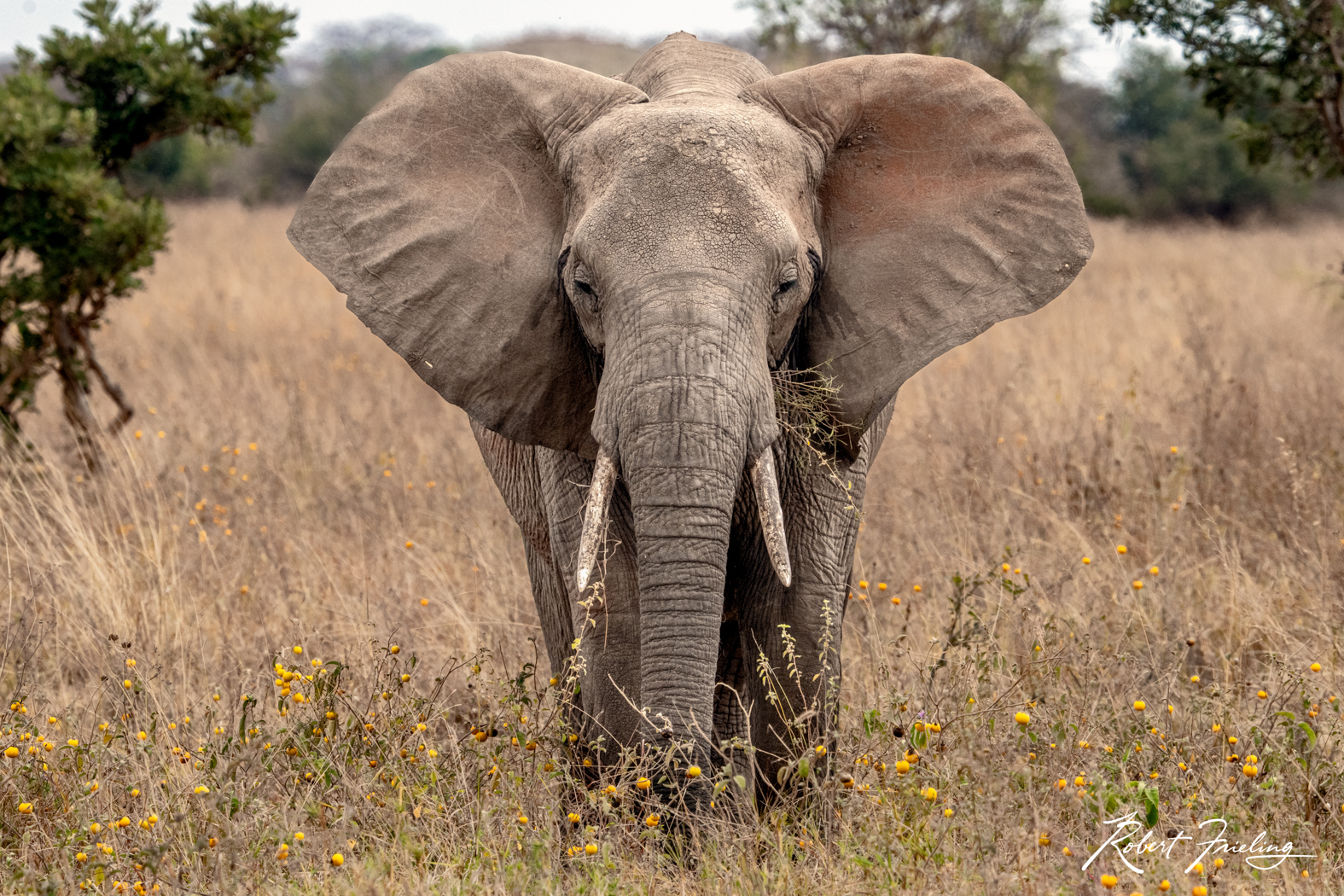
Photographing the Serengeti is more than just capturing images; it is about immersing yourself in one of the last great wild ecosystems on Earth. With the right preparation, timing, and guidance, you can create a portfolio of images that tell powerful stories of life on the African plains. If you would like to see these moments brought to life, I invite you to explore the wildlife photography featured on my website.